Vehicle History Report For
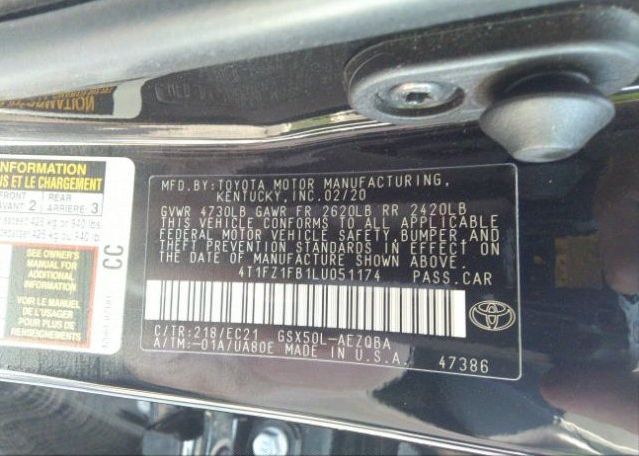
VIN# 4T1FZ1FB1LU051174
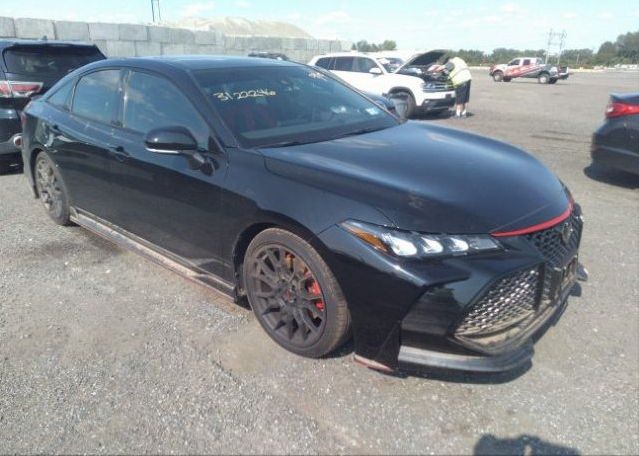


Vehicle Specifications
 VIN:4T1FZ1FB1LU051174
 Make:Toyota
 Style:4D Sedan
 Trim:XSE
 Transmission:6-Speed Automatic
 Wheel drive:FWD
 Fuel type:Gas
 Clearance:-
 Anti Brake System:4-Wheel ABS
 Standard Seating:5
 Overall Height:56.50 in.
 Overall Width:72.80 in.
 Highway Mileage:31 miles/gallon
 Year:2020
 Model:Avalon
 Made In:UNITED STATES
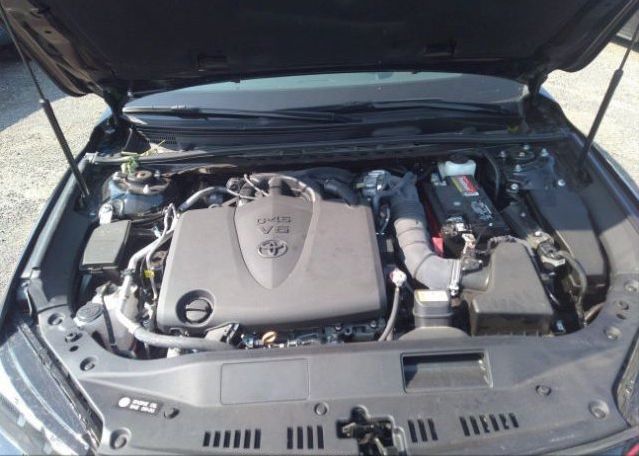
 Engine:3.5L V6 DOHC 24V
 Cylinders:6
 Steering Type:R&P
 Tank Size:15.80 gallon
 Tires:235/45R18
 Anti-theft system:-
 Optional Seating:-
 Overall Length:195.90 in.
 Standard GVWR:-
 City Mileage:22 miles/gallon
Sale History SOURCE: CLEARVIN
Average Miles DrivenSOURCE: USDOT
Odometer ReadingSOURCE: CLEARVIN
Title HistorySOURCE: NMVTIS
Emission & Safety InspectionSOURCE: CLEARVIN
Insurance RecordsSOURCE: NMVTIS
Junk & Salvage RecordsSOURCE: NMVTIS
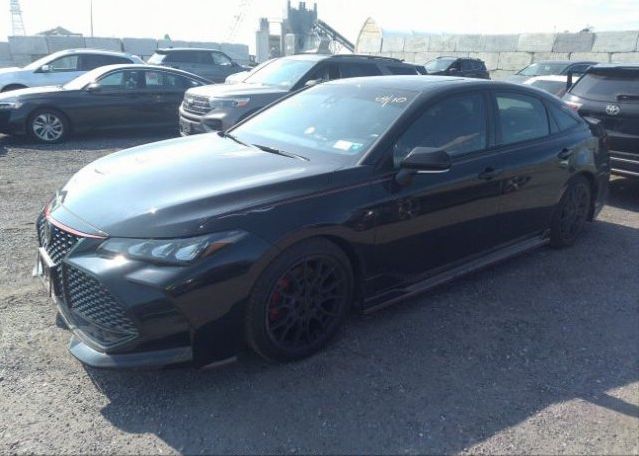
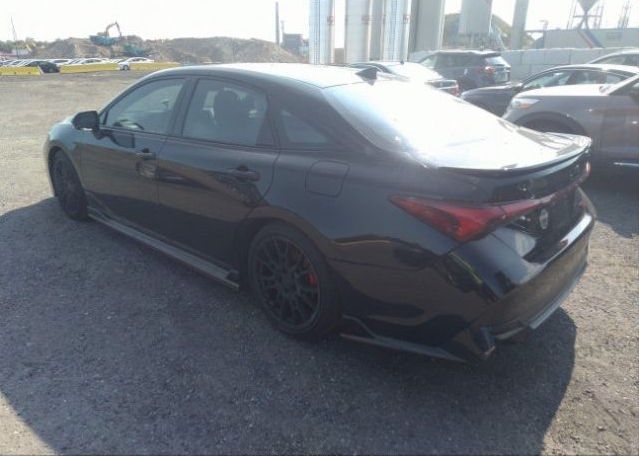
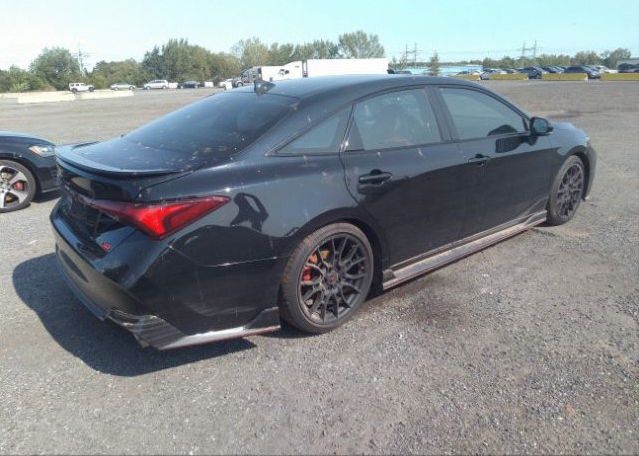
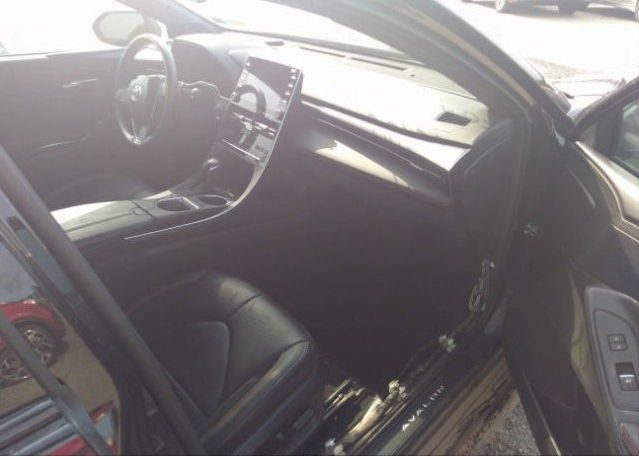
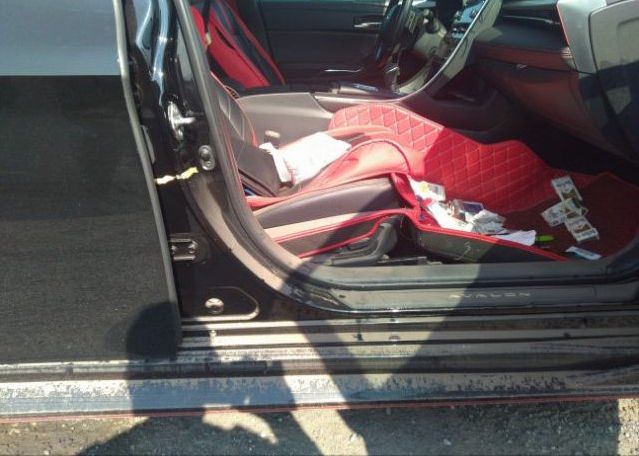
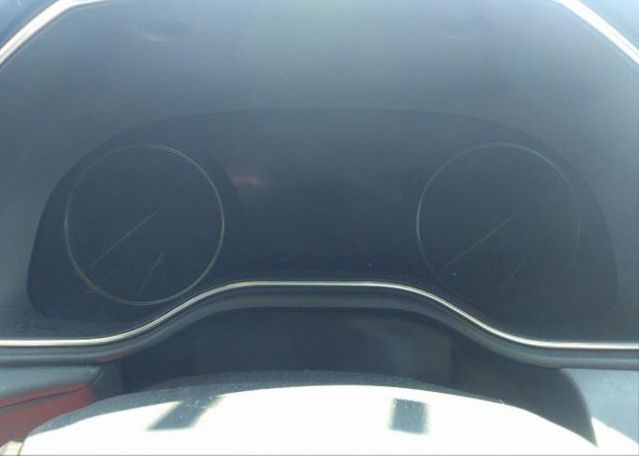
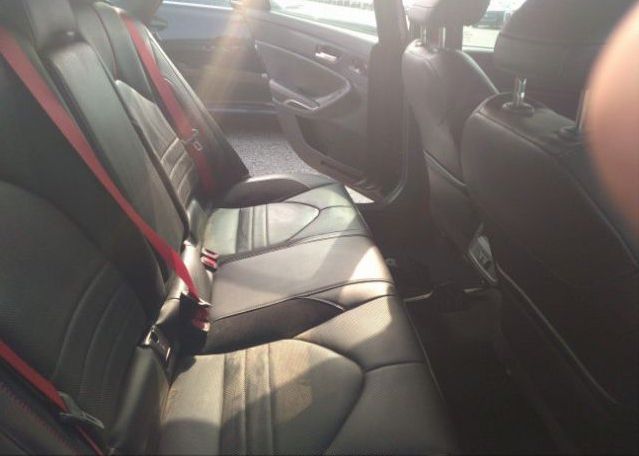
Accident & Damage HistorySOURCE: Salvage Auction

Date:
Nov 8, 2021
Major Impact:
FLOODAirbags:
-
Repair Cost:
$7,879
Lien & Impound RecordsSOURCE: CLEARVIN
Historical Title Lien Records
Black Book Market ValuesSOURCE: Black Book
Past Sales DetailsSOURCE: Salvage Auction, CLEARVIN
Dealer Classifieds
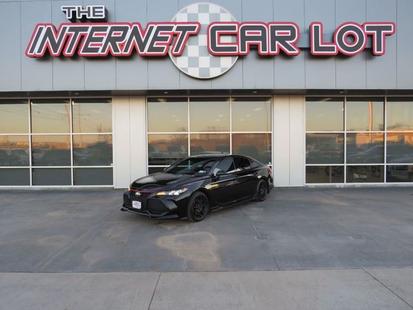
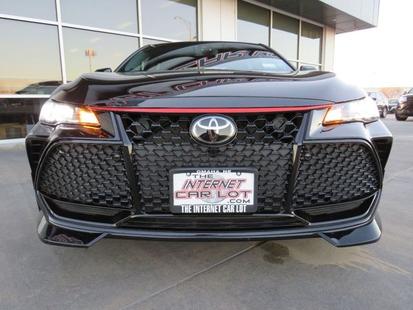
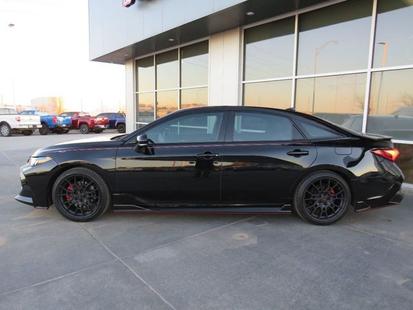
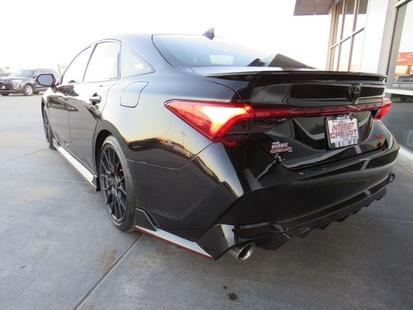
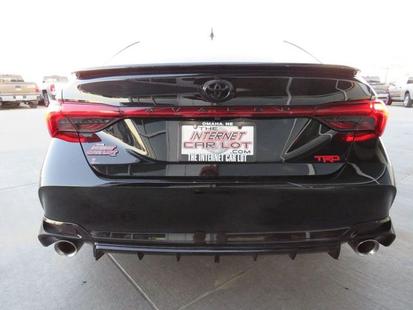
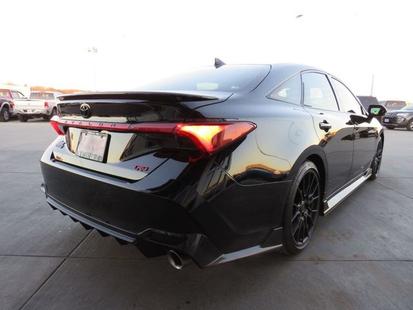
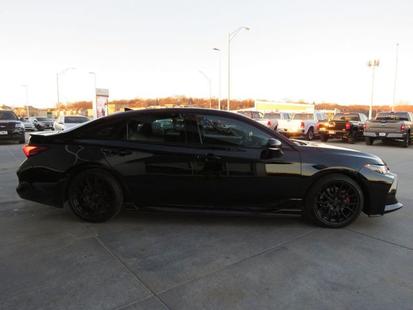
PUT UP FOR SALE Dec 17, 2021
 |
 |
 |
 |
 |
 |
 |
 |
Warranty InformationSOURCE: Manufacture
RecallsSOURCE: NHTSA
SUMMARY
Toyota Motor Engineering & Manufacturing (Toyota) is recalling certain 2018-2019 4Runner, 2019-2020 Avalon, 2019 Corolla Hatchback, 2017-2019 Highlander, 2018-2020 Camry, 2020 Corolla, 2018-2019 Land Cruiser, 2017-2020 Tacoma, 2019-2020 RAV4, 2019-2020 Sequoia, 2017-2020 Sienna, 2019-2020 Tundra, 2018-2020 Lexus ES350, 2017 Lexus GS200t, 2017-2019 Lexus GS350, 2019 Lexus GS300, 2018-2020 Lexus LC500h, 2019-2020 Lexus LS500, 2018-2019 Lexus GX460, 2017 Lexus IS200t, 2019 Lexus IS300, 2019 Lexus IS350, 2018-2020 Lexus LC500, 2018 Lexus LS500, 2019 Lexus LS500h, 2018-2019 Lexus LX570, 2017 Lexus RC200t, 2019 Lexus RC300, RC350, 2017 and 2019-2020 Lexus RX350, 2018-2020 RX350L, 2019 Lexus UX200, 2018-2019 Lexus NX300 vehicles. The low-pressure fuel pump inside the fuel tank may fail.
CONSEQUENCE
-
REMEDY
Toyota will notify owners, and dealers will replace the fuel pump assembly with an improved one, free of charge. Owners of specific models were notified that remedy parts were available starting January 21, 2021. Owners of other models will be notified as remedy parts become available. Remedy parts should be available for all affected vehicles by late March 2021. Owners may contact Toyota customer service at 1-888-270-9371 or Lexus customer service at 1-800-255-3987. Note: This recall is an expansion of recall 20V-012. Toyota's number for this recall is 20TA02. Lexus' number for this recall is 20LA01.
NOTES
Owners may also contact the National Highway Traffic Safety Administration Vehicle Safety Hotline at 1-888-327-4236 (TTY 1-800-424-9153), or go to www.safercar.gov.
SUMMARY
Toyota Motor Engineering & Manufacturing (Toyota) is recalling certain 2020-2021 Toyota Avalon and 2020 Avalon Hybrid, RAV4, and RAV4 Hybrid vehicles. Breakaway pins within the steering column, designed to absorb energy and reduce injury during a crash, could have been damaged during production, possibly affecting the performance of the driver's air bag in the event of a crash. As such, these vehicles fail to comply with the requirements of Federal Motor Vehicle Safety Standard number 208, "Occupant Crash Protection."
CONSEQUENCE
-
REMEDY
Toyota will notify owners, and dealers will replace the steering column, free of charge. The recall began December 18, 2020. Owners may contact Toyota customer service at 1-800-331-4331. Toyota's number for this recall is 20TB17/20TA17.
NOTES
Owners may also contact the National Highway Traffic Safety Administration Vehicle Safety Hotline at 1-888-327-4236 (TTY 1-800-424-9153), or go to www.safercar.gov.
NMVTIS Consumer Access Product Disclaimer

The National Motor Vehicle Title Information System (NMVTIS) is an electronic system that contains information on certain automobiles titled in the United States. NMVTIS is intended to serve as a reliable source of title and brand history for automobiles, but it does not contain detailed information regarding a vehicle’s repair history.
All states, insurance companies, and junk and salvage yards are required by federal law to regularly report information to NMVTIS. However, NMVTIS does not contain information on all motor vehicles in the United States because some states are not yet providing their vehicle data to the system. Currently, the data provided to NMVTIS by states is provided in a variety of time frames; while some states report and update NMVTIS data in “real-time” (as title transactions occur), other states send updates less frequently, such as once every 24 hours or within a period of days.
Information on previous, significant vehicle damage may not be included in the system if the vehicle was never determined by an insurance company (or other appropriate entity) to be a “total loss” or branded by a state titling agency. Conversely, an insurance carrier may be required to report a “total loss” even if the vehicle’s titling-state has not determined the vehicle to be “salvage” or “junk.”
A vehicle history report is NOT a substitute for an independent vehicle inspection. Before making a decision to purchase a vehicle, consumers are strongly encouraged to also obtain an independent vehicle inspection to ensure the vehicle does not have hidden damage. The Approved NMVTIS Data Providers (look for the NMVTIS logo) can include vehicle condition data from sources other than NMVTIS.
NMVTIS data INCLUDES (as available by those entities required to report to the System):
- Information from participating state motor vehicle titling agencies.
- Information on automobiles, buses, trucks, motorcycles, recreational vehicles, motor homes, and truck tractors. NMVTIS may not currently include commercial vehicles if those vehicles are not included in a state’s primary database for title records (in some states, those vehicles are managed by a separate state agency), although these records may be added at a later time.
- Information on “brands” applied to vehicles provided by participating state motor vehicle titling agencies. Brand types and definitions vary by state, but may provide useful information about the condition or prior use of the vehicle.
- Most recent odometer reading in the state’s title record.
- Information from insurance companies, and auto recyclers, including junk and salvage yards, that is required by law to be reported to the system, beginning March 31, 2009. This information will include if the vehicle was determined to be a “total loss” by an insurance carrier.
- Information from junk and salvage yards receiving a “cash for clunker” vehicle traded-in under the Consumer Assistance to Recycle and Save Act of 2009 (CARS) Program.
Consumers are advised to visit vehiclehistory.bja.ojp.gov for details on how to interpret the information in the system and understand the meaning of various labels applied to vehicles by the participating state motor vehicle titling agencies.